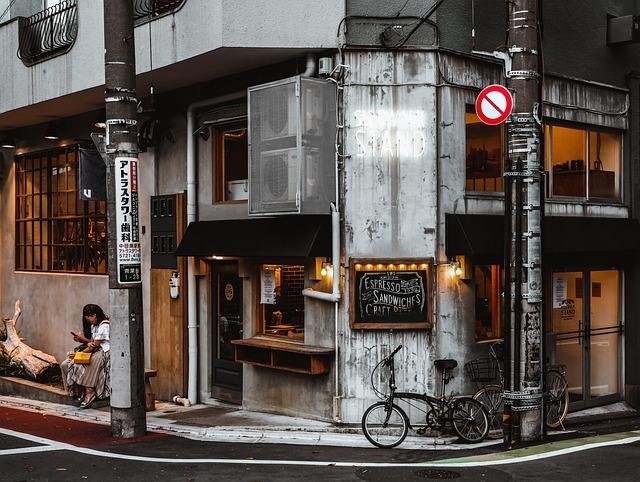
Step into the shadowy world of the Yakuza, Japan’s infamous crime syndicate that has long operated behind a veil of secrecy and tradition. While movies and media often paint them as ruthless gangsters with sharp suits and even sharper tattoos, the reality is far more complex-and strangely fascinating. In this article, we’re peeling back the curtain to explore the origins, rituals, and modern-day influence of the Yakuza. Ready to dive into a world where honor clashes with crime, and where ancient codes still hold sway amid the neon-lit streets of Japan? Let’s uncover the secrets of the Yakuza together.
Table of Contents
- Origins and Traditions Behind the Yakuza’s Mysterious Code
- Unraveling the Yakuza’s Influence in Modern Japanese Society
- Inside the Rituals and Symbols That Define Yakuza Identity
- How Communities and Authorities Can Navigate Yakuza Encounters Safely
- Closing Remarks
Origins and Traditions Behind the Yakuza’s Mysterious Code
The enigmatic code that governs the Yakuza is far more than a set of rules-it is a living tapestry woven from centuries of history and tradition. Rooted in Japan’s feudal era, this code originally emerged from the bakuto (gamblers) and tekiya (peddlers), groups that existed on the fringes of society. Their ethos emphasized loyalty, honor, and sacrifice, mirroring the samurai bushido spirit yet adapting uniquely to their underground existence. These values have been meticulously preserved and passed down through generations, creating a clandestine system that binds members together beyond mere criminal enterprise.
At the heart of this tradition lies a series of rituals and symbols that solidify allegiance and identity. From the infamous irezumi tattoos-each symbol etched with profound meaning-to the solemn sakazuki ceremony, where members share sake to swear fealty, every act is steeped in mystique and significance. This code demands:
- Absolute obedience to one’s oyabun (boss), forging a familial bond known as oyabun-kobun
- Unwavering silence about syndicate matters, reinforcing secrecy
- Willingness to sacrifice, often including acceptance of harsh punishment for betrayal or failure
Unraveling the Yakuza’s Influence in Modern Japanese Society
Behind the neon-lit streets and serene temples, the Yakuza weaves an intricate web of influence that subtly permeates various facets of Japan’s contemporary landscape. Far from the purely shadowy existence often portrayed in Western media, this syndicate has carved out a unique societal role, blending tradition with a modernized form of organized crime. Their reach extends beyond illicit activities, often intertwining with legitimate businesses, politics, and community affairs. This duality raises compelling questions about their adaptability and endurance in a society known for its discipline and order.
Unlike typical underground gangs, the Yakuza maintain an almost institutional presence that includes:
- Community involvement through charitable acts and disaster relief, which paradoxically endears them to some local populations.
- Corporate infiltration in industries like construction, entertainment, and finance, enabling them to wield considerable economic power.
- Political connections that allow for mutual benefit and sometimes the manipulation of policy to protect their interests.
Understanding this complex relationship offers a fascinating glimpse into the ways organized crime can evolve when embedded deeply within a society’s cultural and economic tapestry.
Inside the Rituals and Symbols That Define Yakuza Identity
At the heart of this enigmatic organization lie rituals steeped in tradition and symbolism, weaving a unique tapestry of identity and loyalty that transcends mere criminal enterprise. One of the most iconic practices is irezumi, the intricate full-body tattoos painstakingly inked over years. These colorful artworks are far more than mere decoration-they are badges of honor, marking milestones within the syndicate and acting as silent declarations of bravery, resilience, and unwavering commitment. The painful process itself is a test of endurance, symbolizing a member’s dedication to the group and its code. Alongside these visual rites, secret ceremonies such as the sakazuki ritual-where sharers drink sake from a shared cup-forge bonds akin to family ties, binding members in unspoken loyalty and brotherhood.
Beyond personal symbols, the group’s identity is encoded in its language and gestures. Members often communicate through a lexicon littered with euphemisms and coded slang, carefully crafted to elude the uninitiated. Hand signs and body language serve as discreet signals in public spaces, a silent dialogue to assert presence or issue warnings without drawing unwanted attention. Emblems like the yagiri-komon, a traditional crest, appear on everything from clothing to tattoos, unifying the diverse factions under a common heritage. This intricate web of symbols and rituals does more than define who belongs-it creates a powerful collective identity that has fascinated outsiders and mystified authorities for decades.
How Communities and Authorities Can Navigate Yakuza Encounters Safely
When navigating interactions with the Yakuza, communities and authorities must walk a fine line between vigilance and pragmatism. One crucial strategy is fostering transparency and open communication channels within neighborhoods. Local residents benefit from community meetings that share information about known hotspots, suspicious activities, and preventive measures. These gatherings empower citizens to stay alert without succumbing to fear, effectively creating a grassroots network that can identify and report threats early. Educating the public on what constitutes typical Yakuza behavior versus harmless social interactions demystifies their presence, helping reduce paranoia and misinformation.
For law enforcement, a balanced approach centers on intelligence gathering coupled with community trust-building. Authorities can develop specialized units equipped with cultural knowledge and psychological insight to engage in discreet yet effective monitoring. Collaborations with civic organizations and business owners prove invaluable-these partnerships allow for swifter identification of extortion attempts, money laundering fronts, or coercion tactics often employed by these groups. Additionally, providing confidential hotlines or digital platforms for anonymous tips encourages bystanders to contribute without fear of reprisal, creating a multi-layered defense that combines official power with collective community resilience.
- Community education campaigns emphasizing practical safety tips
- Neighborhood policing models that respect privacy but stay vigilant
- Anonymous reporting tools accessible via mobile apps or hotlines
- Focused training for officers on Yakuza culture and tactics
Closing Remarks
Peering inside the enigmatic world of the Yakuza gives us a rare glimpse into one of Japan’s most shadowy and complex organizations. While their code of honor and deep-rooted traditions might seem like remnants of a bygone era, the Yakuza continue to adapt and influence society in unexpected ways. As we peel back the layers of secrecy, it’s clear that the story of the Yakuza is far from black and white – it’s a fascinating mix of power, loyalty, and contradiction. Whether viewed through the lens of crime, culture, or history, the Yakuza remain an intriguing puzzle that keeps drawing us deeper in. Stay curious, because the more you learn, the more questions arise.