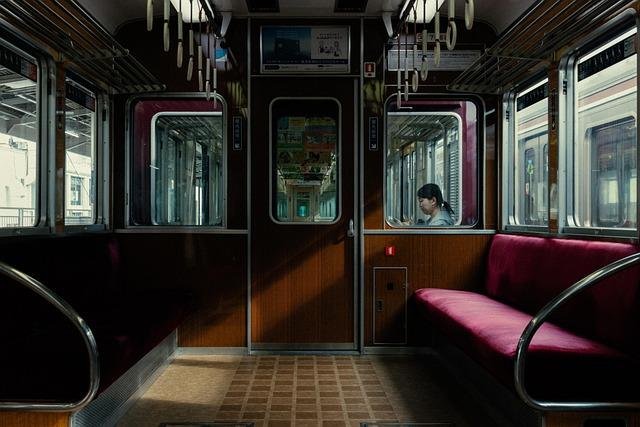
In the shadowy corners of bustling East Asian cities, an age-old network thrives-mysterious, powerful, and often misunderstood. The rise of Asian Triads isn’t just a story of crime; it’s a complex tapestry woven with history, culture, and clandestine operations that have evolved over centuries. What secrets lie beneath their code of silence? How have these secret societies managed to adapt and expand in a modern world dominated by technology and globalisation? Join me as we delve inside the enigmatic world of Asian Triads, uncovering the hidden truths behind their rise, influence, and enduring mystique.
Table of Contents
- The Hidden Origins and Evolution of Asian Triads
- Decoding the Rituals and Symbols That Define Triad Culture
- Inside Their Global Networks and Underground Influence
- How Law Enforcement and Communities Can Break the Triad Code
- Key Takeaways
The Hidden Origins and Evolution of Asian Triads
Long before the notorious image portrayed in modern media, these secret societies originated from tight-knit communal bonds among individuals who sought protection during turbulent times in southern China. Rooted in the Qing Dynasty’s era of social upheaval, the early formation of these groups combined elements of mutual aid, patriotism, and ritualistic brotherhood. Their foundation was not only a response to external threats but also a complex system of codes and ceremonies that forged unwavering loyalty among members, creating a clandestine network that transcended borders and cultures.
As decades passed, the underground networks evolved dramatically under shifting political landscapes and economic pressures. They gradually expanded their influence from localized chapters to sprawling international entities involved in diverse activities, blending the traditional with the modern. Some of their most significant adaptations include:
- Integration into legitimate businesses, providing a façade for their operations and an avenue for money laundering.
- Leveraging diaspora connections, which enabled global reach across continents from Asia to Europe and the Americas.
- Adoption of sophisticated communication methods, ensuring operational secrecy in an age of digital surveillance.
Decoding the Rituals and Symbols That Define Triad Culture
Within the enigmatic world of the Triads, every symbol and ritual acts as a secret language, communicating values of loyalty, power, and brotherhood. The intricate hand signs, coded tattoos, and ceremonial ceremonies are more than just tradition-they forge an unbreakable bond among members, reinforcing hierarchy and trust. For instance, the use of the swallow tattoo isn’t merely decorative; it signifies a rite of passage and allegiance to the group. These symbols serve as constant reminders of the group’s ancient roots, harking back to their origins in secret societies formed to resist oppression centuries ago.
Ceremonial rites often include ceremonial oaths sworn over wine or blood, solidifying promises often spoken in whispered tones and cloaked in deep symbolism. The Triads’ secretive handshakes and specific numerical codes-such as the revered number 36, referencing the original member clans-are part of a hidden lexicon understood only within the brotherhood. Such rituals and symbols cultivate a culture where identity and secrecy are intertwined, elevating allegiance to a near-sacred level and making the Triads a mysterious force both feared and respected across Asia.
- Tattoos: Mark visibility and membership status within the group.
- Secret hand signals: Used to identify allies and convey messages covertly.
- Oaths and ceremonies: Solidify loyalty and delineate roles.
- Numerical codes: Like 14 and 36, represent ranks and historic cliques.
Inside Their Global Networks and Underground Influence
At the heart of their expansive operations lies an intricate web of connections spanning continents. These clandestine networks are not just limited to their native territories but extend deeply into major global cities, effectively creating a shadow empire. Key hubs in Southeast Asia, Europe, and North America serve as pivotal nodes, facilitating everything from illicit trade to money laundering. What’s astonishing is how these groups maintain such cohesion despite language barriers, law enforcement crackdowns, and rival factions. The secret? A sophisticated framework of loyalty, intimidation, and hidden communication channels that keep the gears turning smoothly across borders.
Exploring their underground influence reveals a chillingly efficient system embedded in everyday industries. Some of the sectors quietly manipulated include:
- Construction and Real Estate: Used for money laundering and territorial control.
- Entertainment and Nightlife: Nightclubs and casinos function as fronts for gambling and human trafficking.
- Shipping and Logistics: Facilitates smuggling of drugs, weapons, and counterfeit goods on a massive scale.
Far from operating in isolation, these factions exploit legitimate businesses, creating a facade of normalcy while expanding their reach underneath the radar of public scrutiny and law enforcement. It’s a shadow world tightly woven into the fabric of global commerce.
How Law Enforcement and Communities Can Break the Triad Code
Breaking the elusive code of the triads requires more than just sporadic interventions. It demands a collaborative approach between law enforcement and local communities, where trust and transparency become the driving forces. Police forces must move beyond traditional enforcement tactics and engage in meaningful dialogue with residents, fostering relationships that are built on mutual respect. This includes community-driven outreach programs, anonymous tip lines, and culturally sensitive training for officers that helps decode the often intricate social dynamics within Asian neighborhoods. By empowering communities to act as partners rather than suspects, authorities can dismantle the protective walls triads often hide behind.
Simultaneously, communities themselves can take pivotal steps:
- Organizing grassroots initiatives focused on education and awareness
- Supporting victims of triad influence through safe networks
- Promoting economic alternatives to reduce susceptibility to triad recruitment
Combined, these strategies chip away at the invisible loyalties that triads depend on to thrive. It’s in this shared space of vigilance and cooperation that the secret language of the triads can be decoded and ultimately silenced.
Key Takeaways
As we peel back the layers of the Asian Triads, the blend of tradition, power, and secrecy becomes ever more fascinating-and chilling. These organizations aren’t just relics of the past; they’re evolving, adapting, and continuing to influence societies in ways many never imagined. While much remains hidden in the shadows, our curiosity drives us to uncover more, question deeper, and understand the complex web behind one of the world’s most enigmatic criminal networks. Stay tuned, because the story of the Triads is far from over-and the secrets they’ve guarded for centuries are only beginning to surface.